Getting a good structured and nutrient rich soil is essential for healthy plant growth. And at the community garden we think that using your own compost to structure, enrich and mulch the soil is the best way to do it.
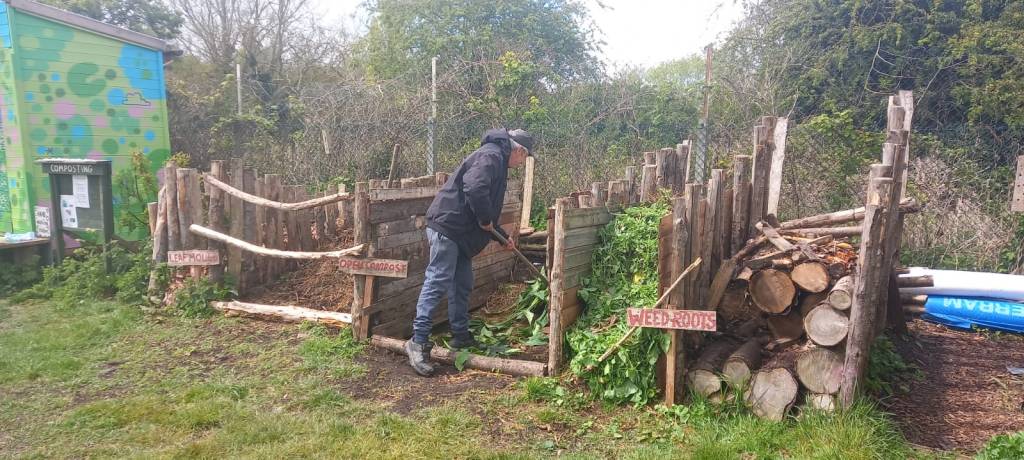
We have a multi-purpose composting area originally built for us by the Cambridge University Architecture students several years ago and it's still going strong.
A healthy general compost heap is made up of a wide variety of plant based garden (and kitchen) waste with a good mix of brown (carbon rich) and green (nitrogen rich) ingredients. Well rotted compost will contain the full spectrum of plant nutrients including the three main 'fertilizer' nutrients for growth: Nitrogen, Phosphorus and Potassium. Plus it will contain micro-nutrients and minerals that will usually be missing from commercial fertilizers.
We add a thick layer of our general compost to our vegetable growing areas before planting.
The thick layer of compost on top of the growing beds not only adds nutrients but it protects the soil and plant roots from moisture loss.
Your own garden compost (as opposed to shop bought compost or municipal waste soil improver) also contains lovely beneficial bacteria, fungi, other micro- organisms and essential creatures such as earthworms, millipedes and beetles who all help to break down waste and keep the soil live, healthy and structured.
Compost is very easy to make yourself if you follow a few simple rules such as:
Do add - Most vegetable waste; soft prunings and leaves; some ripped up cardboard; tea and coffee waste.
Don't add - Perennial weed roots; meat, fish or dairy waste; animal faeces; plastic or metal; too much hard prunings such as twigs; tree leaves.
We have additional disposal areas: A separate autumn leaf pile which breaks down a lot slower than most compost but makes fine leaf mould. Woody prunings and logs are separated for building, burning or wildlife habitats.
There are lots of other ways to recycle your garden/ kitchen waste into usable compost including wormeries, layering systems, liquid comfrey and nettle fertiliser.
For more information about Master Composter Training go to Garden Organic https://www.gardenorganic.org.uk/master-composter-schemes
Happy Composting!
It only takes one change in circumstances for homelessness to happen. For Jake*, it started with a rotator cuff injury at work. He lost his job, then his home, and found himself sleeping on a park bench in the freezing cold on his first night without one.
Read more.jpg)
When Pete* was referred to Cambridge Cyrenians by his social worker, he wasn't facing immediate homelessness, but he was at risk of losing his independence without urgent support.
Read more.jpg)
When Renée* arrived at Cambridge Cyrenians, she was carrying an enormous amount. She had been living in a women's refuge, was managing a thyroid cancer diagnosis, and was travelling regularly into Cambridge for hospital treatment and check-ups.
Read more
Cambridge Cyrenians marked its 55th anniversary this week with a breakfast networking event at 95 Regent Street, bringing together supporters, partners and our friends to celebrate more than five decades of work tackling homelessness in Cambridge.
Read more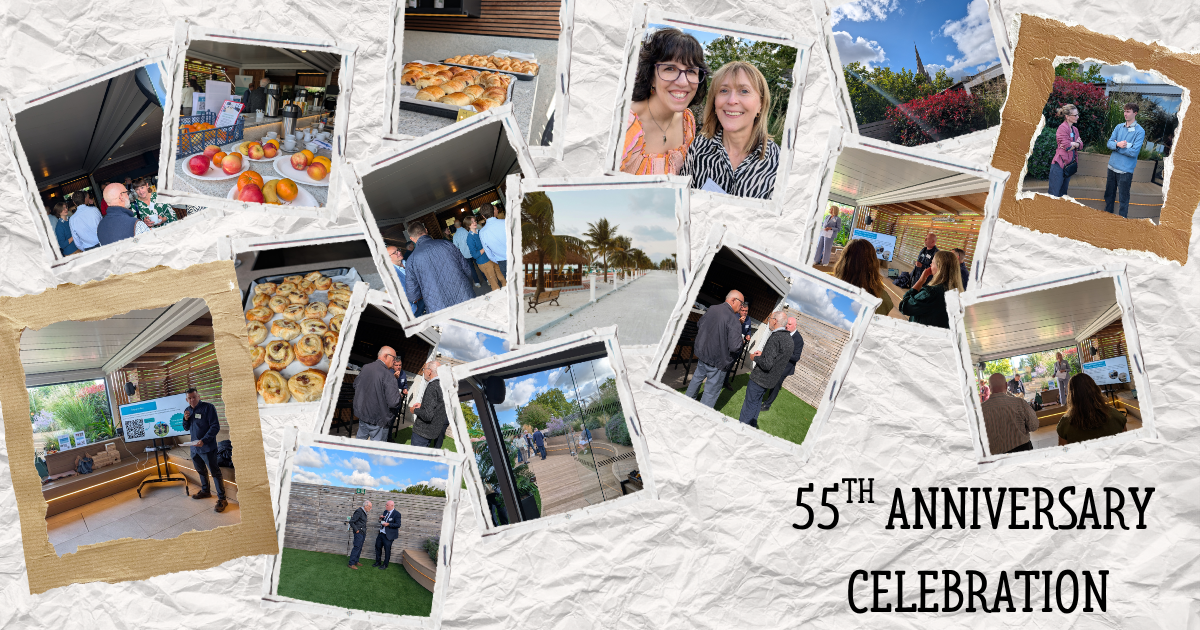
Our newest supported house has bare walls no longer. Thanks to Menor and three generous artists, the space now has colour, and feels more of a home.
Read more.png)
Fancy lacing up for a good cause? We're taking part in the Cambridge Half Marathon again next year, and we're looking for runners to join our team.Every step you run helps fund our work supporting people experiencing homelessness in Cambridge.
Read more
Celebrate the 55th anniversary of Cambridge Cyrenians. Learn more about our impact and the work we have done to support people experiencing homelessness in Cambridge, network with other businesses and organisations
Read moreCambridge Cyrenians will be at Cambridge Pride on 13th June 2026. Come and chat to us in the Community Hive tent!
Read moreFive incredible runners will be taking on the Cambridge Half Marathon in support of Cambridge Cyrenians. Come along to cheer them on - just look for the Cambridge Cyrenians branded running t-shirts!
Read moreIf you’d like to keep up to date with our work, you can explore the latest posts below or follow us for updates and upcoming events.
Updates, events and more direct to your inbox.

Registered Charity 261994
Registered Company in England and Wales 992199